The World Will Not Stop Changing
This lesson is being produced in multiple formats. The lesson itself is the same in each one, so pick whichever suits your context right now. Formats still in production are marked below.
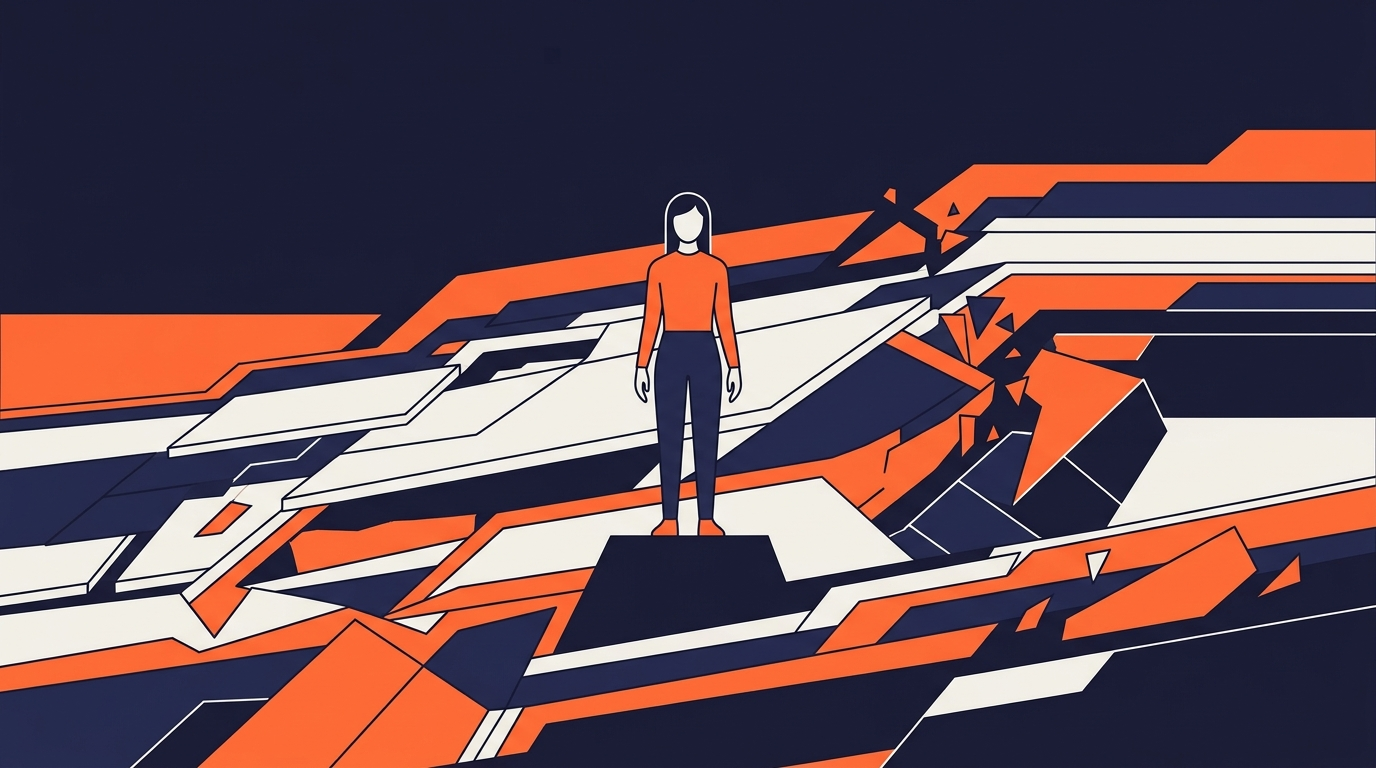
The only thing that will not change is that the world will change. You do not get a vote on this, and neither does anyone teaching you.
The previous lesson was about a system that cannot move fast enough. This one is about why that matters so much: because the ground it is describing will not hold still.
1. Everything You Learn Has a Shelf Life
Whatever you learn today comes with an expiry date. Not all knowledge expires at the same speed, though, and understanding the difference is one of the most useful things in this module.
Roughly, what you learn falls into three tiers:
- Principles last decades. How to break a large problem into smaller ones. How to tell a real cause from a coincidence. How people behave under pressure. What makes an explanation good. These barely move in a lifetime.
- Practices last years. How work is organised, what a professional workflow looks like, which trade-offs the industry currently accepts. These shift on the scale of a career, slowly enough to feel permanent and fast enough to catch you out.
- Tools last months. The specific product, the specific version, the specific button. This layer is the most visible, the easiest to learn, and the fastest to die.
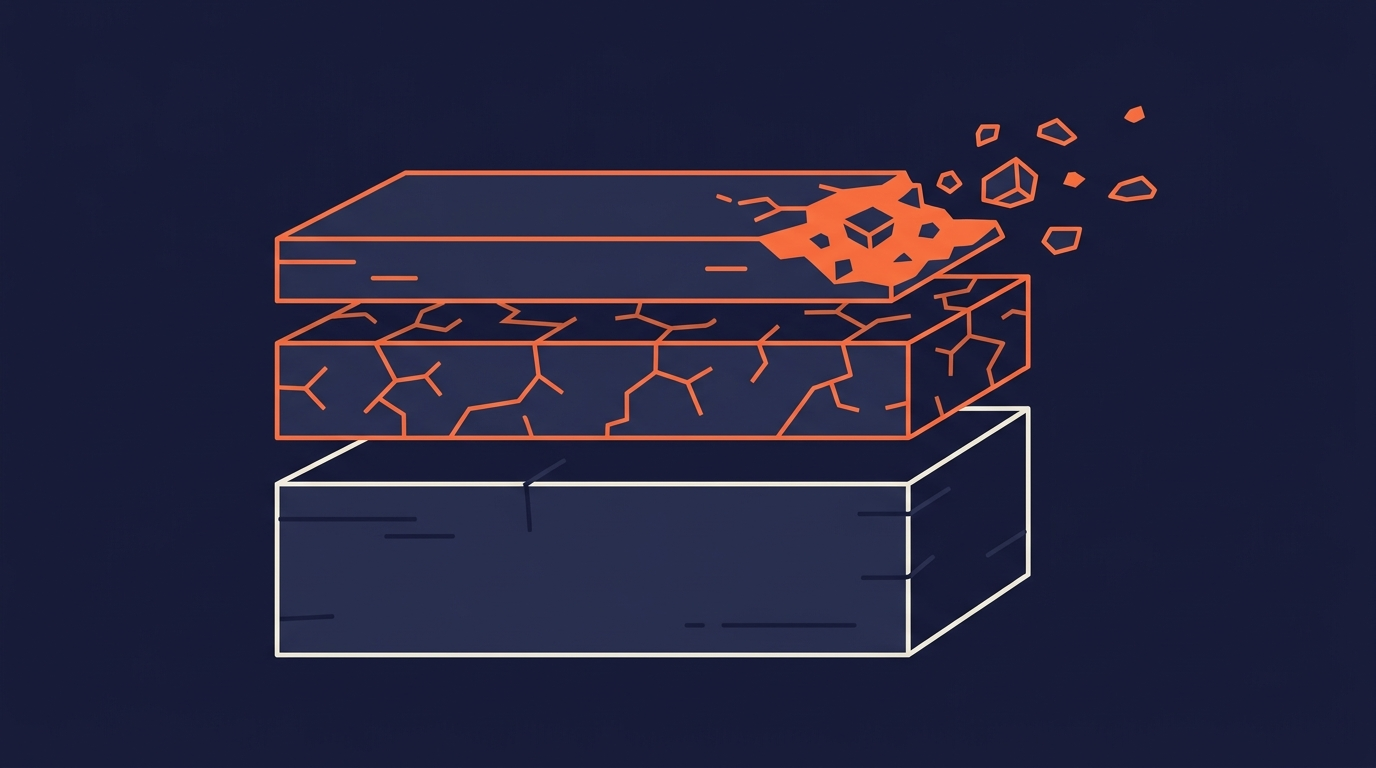
Most people invest their learning time in exact reverse order to that list. Tools feel urgent and concrete, so they get the attention. Principles feel abstract and unprofitable, so they get skipped. Then the tool is replaced and the effort goes with it.
This is not an argument to ignore tools. You get paid for tools. It is an argument about proportion: learn the tool to do today's work, and learn the principle underneath it so that the next tool costs you a week instead of a year.
2. Nobody Is Exempt, Including This Platform
Here is the uncomfortable part, and I would rather say it now than let you discover it later.
No school, no institution, and no platform can protect you from this. That includes this one.
Every course on this site is a snapshot of what was true when it was written. Some of it will age well, because it was about principles. Some of it will be wrong in three years, because it was about tools. I do not know in advance which parts fall into which category, and neither does anyone else writing educational material.
Any platform that tells you otherwise is selling you something. The honest promise is not "this will always be true". It is "this is our best understanding today, and here is how to think so you can update it yourself later".
3. The Real Skill Is Re-learning
So the skill you actually need is not learning. It is re-learning.
These sound like the same thing. They are not, and re-learning is significantly harder, for three reasons.
It requires letting go. You have to set down something you learned correctly, something that worked, something you were good at, because the ground underneath it moved. That is uncomfortable in a way a blank page never is. A beginner has nothing to lose. You do.
It runs into sunk cost. The more time you spent mastering something, the more it costs to admit it is now the slow way. Your brain will offer you a hundred reasons why the old approach is still fine. Some of them will even be good reasons, which is what makes this hard rather than obvious.
It touches identity. After enough years, what you know stops feeling like something you have and starts feeling like something you are. "I am the person who is good at X" is a comfortable thing to be, right up until X stops mattering. Then the change is not just professional, it is personal, and people resist it accordingly.

4. When Expertise Becomes a Liability
There is a pattern worth watching for, because it catches good people rather than lazy ones.
Deep expertise in an old way of doing things can actively slow you down when the way changes. The expert has strong instincts, and those instincts were trained on rules that no longer apply. They will be confident, and confidently wrong, in situations where a beginner would simply ask a question.
You see this whenever a field shifts: the people who adapt fastest are often not the most senior. They are the ones who held their knowledge loosely enough to put it down.
The defence is not to avoid becoming expert. It is to stay aware of which tier your expertise sits in. Deep knowledge of a principle ages well. Deep knowledge of a tool is a rental, not a possession.
5. The AI Era Makes This Impossible to Ignore
The AI era is the clearest example anyone has seen in a long time.
Tools that define how work gets done are being replaced in months rather than decades. Techniques that were considered specialist expertise become a default feature of something else. Whole job descriptions are being rewritten while people are still doing those jobs, which is a strange experience if you are one of those people.
No curriculum can keep pace with that. By the time a course on a specific tool is written, reviewed, and published, the tool has shipped several versions. And no diploma covers it, because the diploma was issued before any of it existed.
What survives this is not a body of knowledge. It is a habit: noticing when the ground has moved, and being willing to go back to being a beginner on purpose.
6. What to Do About It
Three things follow from all of this, and they are practical rather than philosophical:
- Invest in proportion to shelf life. Spend the most on principles, enough on practices, and only what today's work demands on tools.
- Hold tools loosely and principles tightly. When a tool changes, that should cost you a mild inconvenience, not an identity crisis.
- Re-examine on purpose, before you are forced to. Every so often, pick something you are confident about and ask honestly whether it is still true. Doing this voluntarily is far cheaper than having it done to you.
Takeaway: A diploma is a snapshot of what you knew once. It was accurate on the day it was printed. The ability to relearn is the thing that keeps renewing it.